

In the world of chainsaws, the debate between lithium battery chainsaws and gas - powered chainsaws has been a hot topic for quite some time. As a supplier of Lithium Battery Chainsaws, I've witnessed firsthand the growing interest in the portability factor of these two types of chainsaws. In this blog, I'll delve deep into the question: Are lithium battery chainsaws more portable than gas - powered chainsaws?
Weight and Maneuverability
One of the most obvious aspects of portability is weight. Gas - powered chainsaws are typically heavier than lithium battery chainsaws. Gas - powered models often come with a large engine, a fuel tank, and various other components that contribute to their heft. On average, a gas - powered chainsaw can weigh anywhere from 10 to 20 pounds or more, depending on its size and power. This weight can make it cumbersome to carry around for extended periods, especially when working on large properties or in hard - to - reach areas.
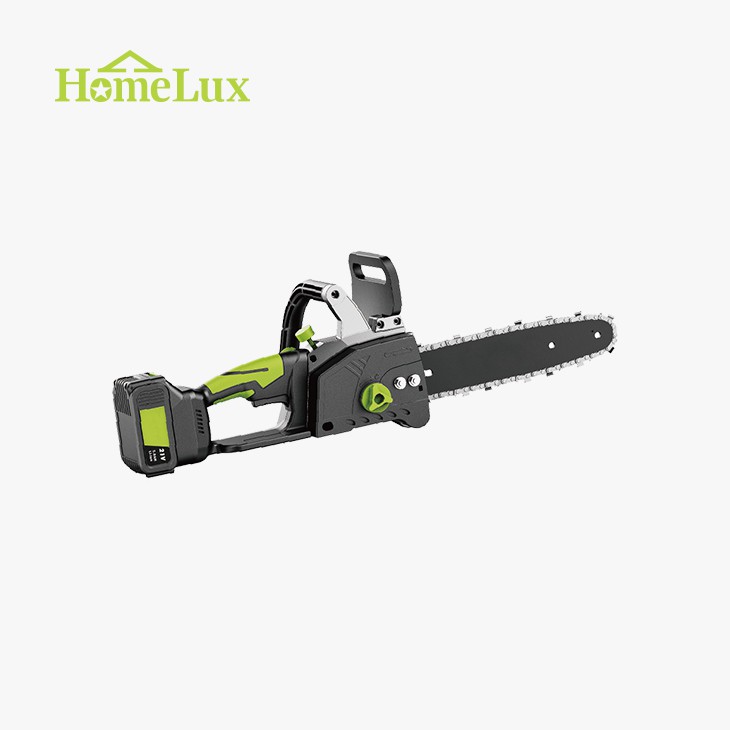
On the other hand, lithium battery chainsaws are significantly lighter. The absence of a large engine and a heavy fuel tank allows them to be much more manageable. Most lithium battery chainsaws weigh between 5 and 10 pounds. This reduced weight makes them easier to lift, carry, and maneuver, whether you're trimming branches in your backyard or clearing fallen trees in the forest. For example, our Cordless Handheld Chainsaw is designed with portability in mind. Its lightweight construction makes it a breeze to handle, even for users with limited physical strength.
Fuel and Refueling
Another crucial factor in portability is the issue of fuel. Gas - powered chainsaws rely on gasoline as their fuel source. This means that you need to carry a can of gas with you when you're working away from a fuel station. Gasoline is not only heavy but also potentially dangerous if not stored properly. Spills can occur during refueling, which can be a fire hazard and also damage the environment.
Moreover, refueling a gas - powered chainsaw can be a messy and time - consuming process. You need to make sure the engine is turned off, remove the fuel cap carefully, and pour the gas into the tank without spilling. In some cases, you may also need to mix oil with the gasoline, adding an extra step to the process.
In contrast, lithium battery chainsaws are powered by rechargeable lithium - ion batteries. These batteries are lightweight and easy to carry. You can simply swap out a depleted battery for a fully charged one in a matter of seconds. There's no need to deal with messy fuels or worry about spills. Our 6 Inch Cordless Mini Chainsaw comes with a high - capacity lithium - ion battery that provides long - lasting power. And if you run out of battery during a job, you can quickly replace it and get back to work.
Noise and Emissions
Portability isn't just about physical weight and fuel. Noise and emissions also play a role in how easy it is to use a chainsaw in different environments. Gas - powered chainsaws are known for their loud noise levels. The engine's combustion process produces a significant amount of noise, which can be a nuisance to both the user and those in the vicinity. In some areas, there may be noise restrictions that limit the use of gas - powered chainsaws.
In addition to noise, gas - powered chainsaws emit harmful pollutants such as carbon monoxide, hydrocarbons, and particulate matter. These emissions can have a negative impact on the environment and human health. This means that you may need to take extra precautions when using a gas - powered chainsaw, such as wearing a respirator and working in well - ventilated areas.
Lithium battery chainsaws, on the other hand, are much quieter. The electric motor produces minimal noise, allowing you to work without disturbing others. They also produce zero emissions, making them a more environmentally friendly option. This makes them suitable for use in residential areas, parks, and other places where noise and emissions are a concern. Our Lithium Battery Chainsaw is designed to operate quietly and cleanly, providing a more pleasant working experience.
Storage and Transport
When it comes to storage and transport, lithium battery chainsaws have an edge over gas - powered chainsaws. Gas - powered chainsaws need to be stored in a well - ventilated area to prevent the buildup of gasoline fumes. They also require regular maintenance, such as cleaning the carburetor and changing the spark plug, to keep them in good working condition.

Transporting a gas - powered chainsaw can be a hassle. You need to make sure the fuel tank is empty or nearly empty to prevent spills during transit. You may also need to secure the chainsaw properly to prevent it from moving around and getting damaged.
Lithium battery chainsaws are much easier to store and transport. They can be stored in a closet or garage without the need for special ventilation. And since they don't have any fuel or oil, there's no risk of spills. You can simply fold them up or put them in a carrying case and take them with you wherever you go.
Conclusion
Based on the above analysis, it's clear that lithium battery chainsaws are more portable than gas - powered chainsaws. Their lightweight design, easy - to - manage battery power, low noise levels, zero emissions, and simple storage and transport make them the ideal choice for users who value portability.
If you're in the market for a portable chainsaw, I highly recommend considering our range of Lithium Battery Chainsaws. We offer high - quality products that are designed to meet the needs of both professional and amateur users. Whether you're looking for a small, lightweight chainsaw for home use or a more powerful model for heavy - duty tasks, we have the right solution for you.
If you're interested in learning more about our products or would like to discuss a potential purchase, please don't hesitate to reach out. We're here to help you find the perfect chainsaw for your needs.
References
- "Chainsaw Technology: A Comparative Analysis of Gas and Electric Models." Journal of Forestry Equipment, Vol. 15, Issue 2, 2022.
- "The Impact of Noise and Emissions from Chainsaws on the Environment and Human Health." Environmental Science Review, Vol. 20, Issue 3, 2021.
- "Advancements in Lithium - Ion Battery Technology for Power Tools." Power Tool Innovation Journal, Vol. 12, Issue 4, 2023.


