As a supplier of brushless electric chainsaws, I've encountered numerous inquiries from customers regarding the versatility of our products. One common question that frequently arises is, "Can a brushless electric chainsaw be used for shaping wood?" In this blog post, I'll delve into the capabilities of brushless electric chainsaws in wood shaping, exploring their advantages, limitations, and best practices.
Understanding Brushless Electric Chainsaws
Before we discuss their suitability for wood shaping, let's briefly understand what brushless electric chainsaws are. These chainsaws are powered by electricity and feature a brushless motor, which offers several benefits over traditional brushed motors. Brushless motors are more efficient, have a longer lifespan, and require less maintenance. They also provide consistent power output, making them ideal for a variety of cutting tasks.
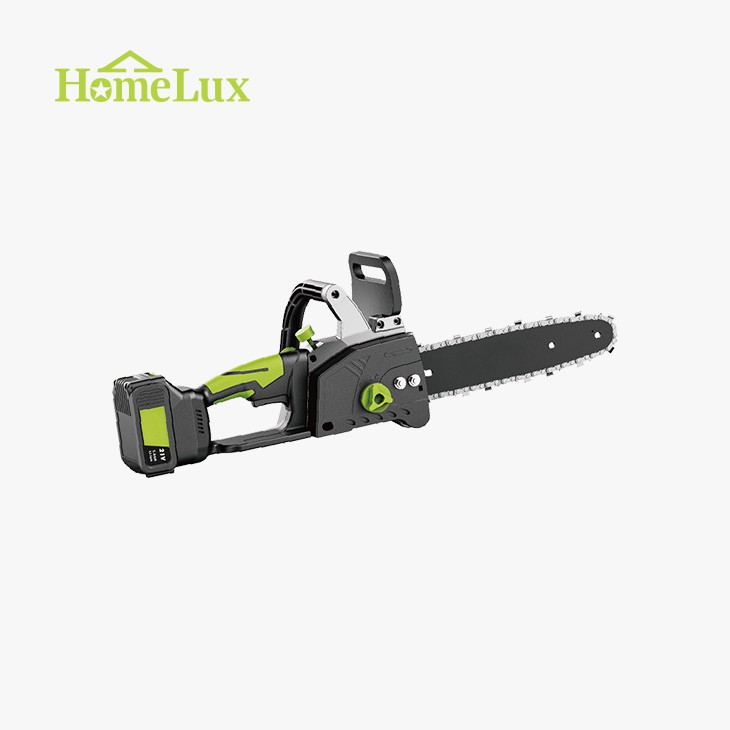
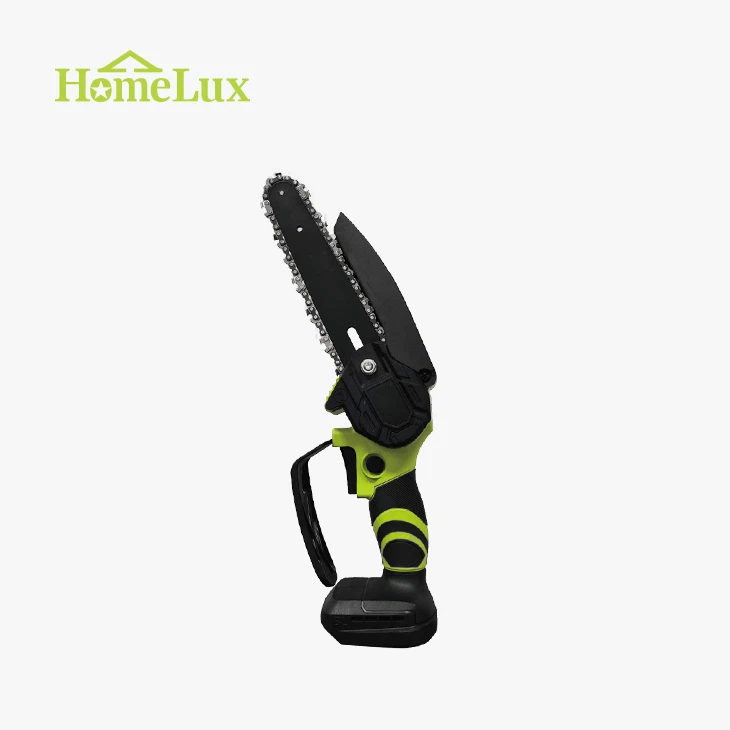
Our range of brushless electric chainsaws includes the Lithium Battery Chainsaw, Cordless Brushless Chainsaw, and 6 Inch Cordless Mini Chainsaw. These models are designed to offer portability, power, and precision, making them suitable for both professional woodworkers and DIY enthusiasts.
Advantages of Using a Brushless Electric Chainsaw for Wood Shaping
- Precision Cutting: Brushless electric chainsaws offer precise control, allowing you to make accurate cuts and shape wood with ease. The consistent power output of the brushless motor ensures smooth and clean cuts, reducing the risk of splintering or uneven edges.
- Portability: Unlike gas-powered chainsaws, brushless electric chainsaws are lightweight and portable. They are easy to maneuver, making them ideal for shaping wood in various locations, including workshops, outdoor projects, and even on-site jobs.
- Low Noise and Vibration: Electric chainsaws produce less noise and vibration compared to gas-powered models. This makes them more comfortable to use for extended periods, reducing fatigue and improving overall productivity.
- Environmentally Friendly: Brushless electric chainsaws produce zero emissions, making them an environmentally friendly choice. They are also more energy-efficient, reducing your carbon footprint and operating costs.
- Safety: Electric chainsaws are generally safer to use than gas-powered models. They do not require fuel mixing or spark plugs, reducing the risk of fire and explosion. Additionally, many brushless electric chainsaws come with safety features such as chain brakes and anti-kickback mechanisms.
Limitations of Using a Brushless Electric Chainsaw for Wood Shaping
- Power Output: While brushless electric chainsaws offer sufficient power for most wood shaping tasks, they may not be as powerful as gas-powered chainsaws. This can limit their effectiveness when working with large or dense pieces of wood.
- Corded vs. Cordless: Corded electric chainsaws require a power outlet, which can limit their mobility. Cordless models, on the other hand, are powered by rechargeable batteries, which have a limited runtime. This means you may need to carry spare batteries or recharge the battery frequently during extended use.
- Chain Maintenance: Like all chainsaws, brushless electric chainsaws require regular chain maintenance to ensure optimal performance. This includes sharpening the chain, adjusting the tension, and lubricating the chain.
- Limited Cutting Depth: The cutting depth of a brushless electric chainsaw is typically limited compared to gas-powered models. This can make it challenging to shape thick pieces of wood or make deep cuts.
Best Practices for Using a Brushless Electric Chainsaw for Wood Shaping
- Choose the Right Chain: Select a chain that is suitable for wood shaping. A low-profile chain with a narrow kerf is ideal for making precise cuts and shaping wood.
- Use the Right Technique: When shaping wood with a chainsaw, it's important to use the right technique. Start by making a shallow cut and gradually increase the depth as you progress. Use a smooth, steady motion and avoid applying too much pressure.
- Secure the Wood: Before starting to shape the wood, make sure it is securely clamped or held in place. This will prevent the wood from moving or shifting during the cutting process, reducing the risk of accidents.
- Wear Protective Gear: Always wear appropriate protective gear when using a chainsaw, including safety glasses, ear protection, gloves, and a chainsaw chaps or pants. This will help protect you from flying debris, noise, and potential injuries.
- Maintain the Chainsaw: Regularly maintain your brushless electric chainsaw to ensure optimal performance. This includes sharpening the chain, adjusting the tension, lubricating the chain, and cleaning the air filter.
Conclusion
In conclusion, a brushless electric chainsaw can be a valuable tool for shaping wood. It offers precision cutting, portability, low noise and vibration, and environmental friendliness. However, it also has some limitations, such as limited power output and cutting depth. By choosing the right chain, using the right technique, securing the wood, wearing protective gear, and maintaining the chainsaw, you can effectively use a brushless electric chainsaw for wood shaping.
If you're interested in purchasing a brushless electric chainsaw for wood shaping or any other cutting tasks, please feel free to contact us. Our team of experts will be happy to assist you in selecting the right model for your needs and provide you with all the information you need to make an informed decision.
References
- Chainsaw Safety Manuals
- Woodworking Magazines and Online Resources
- Manufacturer's Specifications and Guidelines