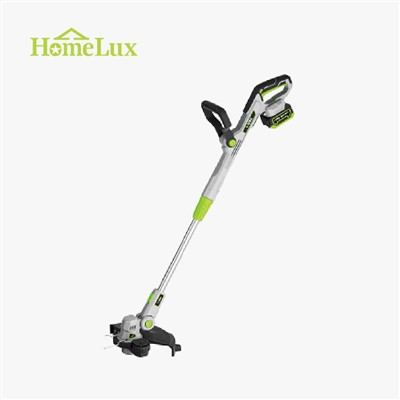
As a supplier of Lightweight Cordless Blowers, I've often been asked whether these handy tools can be effectively used to clean tennis courts. In this blog, I'll delve into the feasibility, advantages, and limitations of using a lightweight cordless blower for tennis court cleaning.
The Feasibility of Using a Lightweight Cordless Blower
Tennis courts are exposed to various elements that can accumulate debris over time. Leaves, dirt, sand, and small twigs are common nuisances that can affect the playing surface. A lightweight cordless blower can indeed be a viable option for cleaning these surfaces under certain conditions.
One of the primary advantages of a lightweight cordless blower is its portability. Unlike traditional gas - powered or corded blowers, a Lightweight Cordless Blower can be easily maneuvered around the tennis court without the hassle of cords or the need to refuel. This makes it ideal for quickly cleaning small to medium - sized tennis courts, especially in areas where access to power outlets is limited.
In terms of performance, modern lightweight cordless blowers are equipped with powerful motors and high - capacity batteries. For instance, our High Power Battery Leaf Blower can generate a strong airflow that is sufficient to move leaves, dirt, and other lightweight debris. The adjustable speed settings on these blowers also allow for greater control, enabling users to adjust the airflow according to the type and amount of debris on the court.
Advantages of Using a Lightweight Cordless Blower
1. Ease of Use
The lightweight design of these blowers makes them easy to handle, even for extended periods. This is particularly beneficial when cleaning large tennis courts, as it reduces fatigue and allows for more efficient cleaning. Additionally, the cordless nature of the blower eliminates the risk of tripping over cords, making it a safer option for both the operator and any players on the court.
2. Environmental Friendliness
Cordless blowers are generally more environmentally friendly than their gas - powered counterparts. They produce zero emissions during operation, which is not only better for the environment but also for the health of those using the blower and the people in the surrounding area. This is especially important in tennis facilities where players and spectators are present.
3. Low Maintenance
Lightweight cordless blowers require minimal maintenance compared to gas - powered blowers. There is no need to deal with oil changes, spark plug replacements, or carburetor cleanings. Simply charging the battery and occasionally cleaning the air intake filter is usually sufficient to keep the blower in good working condition.
4. Quiet Operation
Cordless blowers operate much more quietly than gas - powered blowers. This is a significant advantage in tennis facilities, as it minimizes noise pollution and does not disrupt the playing experience of the tennis players. The quiet operation also makes it possible to clean the courts at any time of the day without disturbing the neighbors.
Limitations of Using a Lightweight Cordless Blower
1. Battery Life
One of the main limitations of a lightweight cordless blower is its battery life. Depending on the model and the intensity of use, the battery may need to be recharged after 20 - 60 minutes of continuous operation. This can be a drawback when cleaning large tennis courts, as it may require multiple battery changes or longer breaks in between cleaning sessions.
2. Limited Power for Heavy Debris
While lightweight cordless blowers are effective for moving lightweight debris, they may struggle with heavier materials such as wet leaves, large branches, or compacted dirt. In such cases, a more powerful blower, such as a Powerful Cordless Leaf Blower, or additional cleaning equipment may be required.
3. Initial Cost
The initial cost of a lightweight cordless blower can be relatively high compared to some traditional corded or gas - powered blowers. However, it's important to consider the long - term savings in terms of maintenance and fuel costs, as well as the environmental and convenience benefits.
Tips for Using a Lightweight Cordless Blower on Tennis Courts
1. Choose the Right Time
To avoid disturbing tennis players, it's best to clean the courts during off - peak hours. Early morning or late evening are often good times to clean, as there are usually fewer players on the court.
2. Use the Right Technique
When using the blower, start from one end of the court and work your way across in a systematic manner. Hold the blower at a slight angle to the ground to maximize the airflow and ensure that the debris is effectively moved off the court.


3. Charge the Battery Properly
To extend the battery life of your lightweight cordless blower, follow the manufacturer's instructions for charging. Avoid overcharging or discharging the battery completely, as this can reduce its overall lifespan.
4. Combine with Other Cleaning Methods
For more thorough cleaning, consider combining the use of a lightweight cordless blower with other cleaning methods, such as sweeping or using a tennis court vacuum cleaner. This can help to remove heavier debris and ensure a clean and safe playing surface.
Conclusion
In conclusion, a lightweight cordless blower can be a useful tool for cleaning tennis courts, especially for small to medium - sized facilities. Its portability, ease of use, environmental friendliness, and low maintenance make it an attractive option. However, it's important to be aware of its limitations, such as battery life and limited power for heavy debris. By choosing the right blower, using it at the appropriate times, and combining it with other cleaning methods, you can effectively keep your tennis courts clean and in top condition.
If you're interested in purchasing a lightweight cordless blower for your tennis court or have any questions about our products, please feel free to contact us. We're here to help you find the best cleaning solution for your needs.
References
- Manufacturer's specifications of lightweight cordless blowers.
- Industry research on the use of blowers for sports facility cleaning.