

As a supplier of Powerful Cordless Leaf Blowers, I've received numerous inquiries regarding the usability of these devices on wet grass. This question is crucial for many homeowners and landscapers, as wet leaves can be a common occurrence, especially during the rainy seasons or in the early morning with dew. In this blog post, I'll delve into the scientific and practical aspects of using a powerful cordless leaf blower on wet grass, providing you with a comprehensive understanding of its capabilities and limitations.
The Science Behind Leaf Blowing on Wet Grass
To understand whether a powerful cordless leaf blower can effectively blow leaves on wet grass, we first need to examine the properties of wet leaves and how they interact with the airflow generated by the blower. Wet leaves are heavier and stickier than dry leaves due to the presence of water. The water adds weight to the leaves, making them more difficult to move, and it also causes them to adhere to the grass and each other.
A powerful cordless leaf blower, such as the ones we offer at Powerful Cordless Blower, generates a high-velocity stream of air. The force of this airflow is measured in terms of cubic feet per minute (CFM) and miles per hour (MPH). A higher CFM indicates a larger volume of air being moved, while a higher MPH represents a faster-moving stream of air.
When the high-velocity air from the blower hits the wet leaves, it exerts a force on them. If the force is sufficient to overcome the weight of the wet leaves and the adhesion between the leaves and the grass, the leaves will be blown away. However, if the leaves are too wet or the blower does not generate enough force, the leaves may remain in place.
Factors Affecting the Performance of a Cordless Leaf Blower on Wet Grass
Several factors can influence the effectiveness of a powerful cordless leaf blower on wet grass. These include the power of the blower, the type of leaves, the moisture content of the grass, and the angle at which the blower is held.
Power of the Blower
The power of the blower is perhaps the most critical factor. A more powerful blower with a higher CFM and MPH rating will be able to generate a stronger force, making it more likely to blow away wet leaves. Our Powerful Cordless Leaf Blower is designed to provide a high level of power, allowing it to handle wet leaves more effectively than many other models on the market.
Type of Leaves
Different types of leaves have different weights and shapes, which can affect how easily they are blown away. For example, large, broad leaves like maple leaves are heavier and more difficult to move than small, narrow leaves like pine needles. Additionally, some leaves may have a waxy or hairy surface, which can make them more resistant to being blown away.
Moisture Content of the Grass
The moisture content of the grass can also play a role. If the grass is very wet, the leaves may be more firmly stuck to the ground, making them harder to blow away. In some cases, the wet grass may even absorb some of the force from the blower, reducing its effectiveness.
Angle of the Blower
The angle at which the blower is held can significantly impact its performance. Holding the blower at a low angle, close to the ground, can help to direct the airflow under the leaves, lifting them off the grass. On the other hand, holding the blower at a high angle may cause the airflow to pass over the leaves without providing enough force to move them.
Advantages of Using a Cordless Leaf Blower on Wet Grass
Despite the challenges, there are several advantages to using a powerful cordless leaf blower on wet grass.
Convenience
Cordless leaf blowers offer greater convenience than their corded counterparts. You don't have to worry about finding an electrical outlet or dealing with a long cord, which can be a hassle when working on a large area. This makes it easier to move around the yard and reach areas that may be difficult to access with a corded blower.
Mobility
The portability of a cordless leaf blower allows you to move freely around the yard, quickly and easily changing directions as needed. This is especially useful when dealing with wet leaves, as you may need to make multiple passes over the same area to ensure that all the leaves are removed.
Environmentally Friendly
Cordless leaf blowers are generally more environmentally friendly than gas-powered blowers. They produce zero emissions, which is better for the environment and for your health. Additionally, they are quieter than gas-powered blowers, making them a more neighbor-friendly option.
Limitations of Using a Cordless Leaf Blower on Wet Grass
While a powerful cordless leaf blower can be effective on wet grass, there are also some limitations to be aware of.
Reduced Efficiency
As mentioned earlier, wet leaves are heavier and stickier than dry leaves, which can make them more difficult to blow away. This means that you may need to make multiple passes over the same area with the blower to remove all the leaves, which can be time-consuming.
Battery Life
Cordless leaf blowers rely on batteries for power, and the battery life can be a limiting factor. If you are working on a large area or dealing with a large number of wet leaves, you may need to recharge the battery multiple times, which can interrupt your work.
Risk of Damage to the Blower
Using a cordless leaf blower on wet grass can increase the risk of damage to the blower. Water can get into the motor or other components of the blower, causing them to malfunction. It's important to follow the manufacturer's instructions and take proper precautions to protect the blower from water damage.
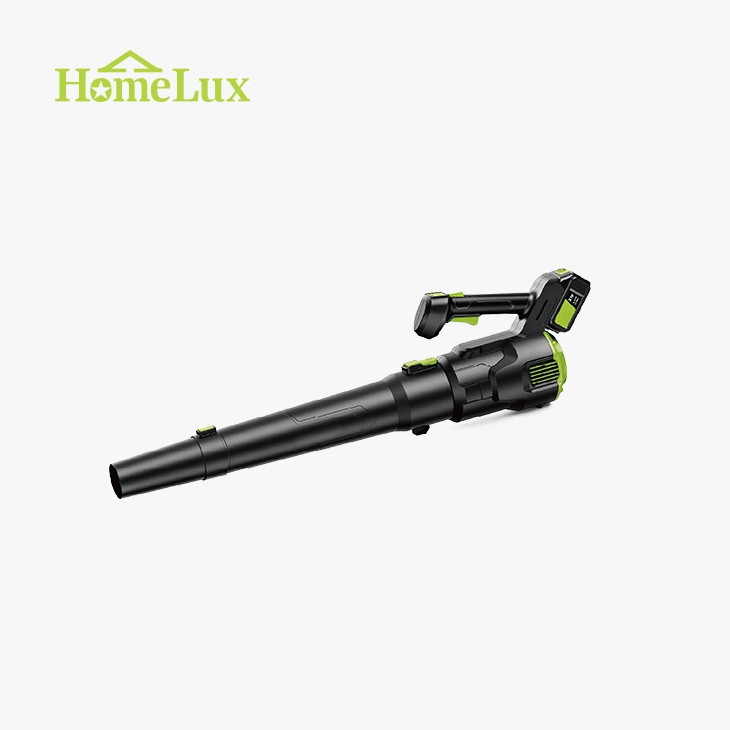

Tips for Using a Cordless Leaf Blower on Wet Grass
If you decide to use a cordless leaf blower on wet grass, here are some tips to help you get the best results:
- Choose the Right Blower: Make sure you choose a powerful cordless leaf blower with a high CFM and MPH rating. Our Powerful Cordless Leaf Blower is designed to provide the power you need to handle wet leaves effectively.
- Hold the Blower at the Right Angle: Hold the blower at a low angle, close to the ground, to direct the airflow under the leaves. This will help to lift the leaves off the grass and make them easier to blow away.
- Make Multiple Passes: You may need to make multiple passes over the same area with the blower to remove all the wet leaves. Start by blowing the leaves into a pile, and then use the blower to move the pile to a desired location.
- Protect the Blower from Water: After using the blower on wet grass, make sure to dry it off thoroughly to prevent water damage. Avoid using the blower in heavy rain or other wet conditions.
Conclusion
In conclusion, a powerful cordless leaf blower can be used for blowing leaves on wet grass, but its effectiveness depends on several factors, including the power of the blower, the type of leaves, the moisture content of the grass, and the angle at which the blower is held. While there are some limitations to using a cordless leaf blower on wet grass, there are also several advantages, such as convenience, mobility, and environmental friendliness.
If you're in the market for a Cordless Blower For Leaves, we invite you to explore our range of Powerful Cordless Leaf Blowers. Our products are designed to provide the power and performance you need to tackle even the toughest leaf-cleaning jobs, whether the grass is wet or dry.
If you have any questions or would like to discuss your specific needs, please don't hesitate to contact us. We're here to help you find the perfect cordless leaf blower for your requirements.
References
- "Leaf Blower Buying Guide." Consumer Reports.
- "The Science of Leaf Blowers." Popular Mechanics.
- Manufacturer's instructions for cordless leaf blowers.


