

Hey there! As a supplier of Cordless Handheld Chainsaws, I often get asked this question: "Can I use a cordless handheld chainsaw for cutting small trees?" Well, let's dive right into it and find out.
First off, let's talk about what makes a cordless handheld chainsaw so appealing. These bad boys are super convenient. No more dealing with those long, tangled cords or the hassle of finding an electrical outlet nearby. You can just grab your Cordless Handheld Chainsaw and head out to the yard or the woods without any worries.
Now, back to the main question. The short answer is yes, you can use a cordless handheld chainsaw for cutting small trees. But there are a few things you need to keep in mind.
Power and Performance
One of the key factors to consider is the power of the chainsaw. Cordless handheld chainsaws come in different power ratings, usually measured in volts. Higher voltage generally means more power, which is great for cutting through thicker branches and small trees. For instance, a Lithium Battery Chainsaw with a 40V or 56V battery pack can handle small trees with a trunk diameter of up to 6 - 8 inches.
However, it's important to note that even the most powerful cordless chainsaws have their limits. If you're dealing with large, mature trees with thick trunks, a corded or gas-powered chainsaw might be a better option. But for small trees, like saplings or young shrubs, a cordless handheld chainsaw can do the job just fine.
Chain Length
Another important aspect is the chain length. The chain length determines how deep the chainsaw can cut. For cutting small trees, a chain length of 8 - 12 inches is usually sufficient. A shorter chain is more maneuverable and easier to control, which is especially important when working in tight spaces or around other plants.
But be careful not to choose a chain that's too short. If the chain is not long enough, you'll have to make multiple cuts to fell the tree, which can be time-consuming and increase the risk of accidents.
Safety First
Safety should always be your top priority when using any type of chainsaw, including cordless handheld ones. Make sure you wear the appropriate safety gear, such as safety glasses, ear protection, gloves, and chainsaw chaps. These will help protect you from flying debris, loud noise, and potential cuts.
Before you start cutting, inspect the chainsaw to make sure it's in good working condition. Check the chain tension, the oil level (if it's an oil-lubricated chainsaw), and the battery charge. If you're not familiar with how to use a chainsaw, it's a good idea to take a safety course or watch some instructional videos online.
Cutting Techniques
When cutting small trees with a cordless handheld chainsaw, it's important to use the right techniques. Start by making a horizontal cut on the side of the tree where you want it to fall. This is called the "face cut." Then, make a second cut from the opposite side, slightly above the first cut. This will create a "hinge" that will guide the tree as it falls.
As you're cutting, keep the chainsaw steady and use a smooth, even motion. Don't force the chainsaw through the wood, as this can cause the chain to bind or kick back. If the chainsaw starts to bog down or the chain slows down, stop cutting and let the chainsaw cool down for a few minutes.
Maintenance
Proper maintenance is essential to keep your cordless handheld chainsaw in good working condition. After each use, clean the chainsaw to remove any sawdust, debris, or oil. Check the chain tension and adjust it if necessary. Sharpen the chain regularly to ensure a clean, efficient cut.
If you're using a lithium battery chainsaw, make sure to follow the manufacturer's instructions for charging and storing the battery. Overcharging or undercharging the battery can reduce its lifespan and performance.
When to Consider Other Options
While cordless handheld chainsaws are great for cutting small trees, there are some situations where you might want to consider other options. For example, if you have a large number of small trees to cut or if you're working in a remote area without access to a power source, a gas-powered chainsaw might be more suitable. Gas-powered chainsaws generally have more power and can run for longer periods of time without needing to be recharged.
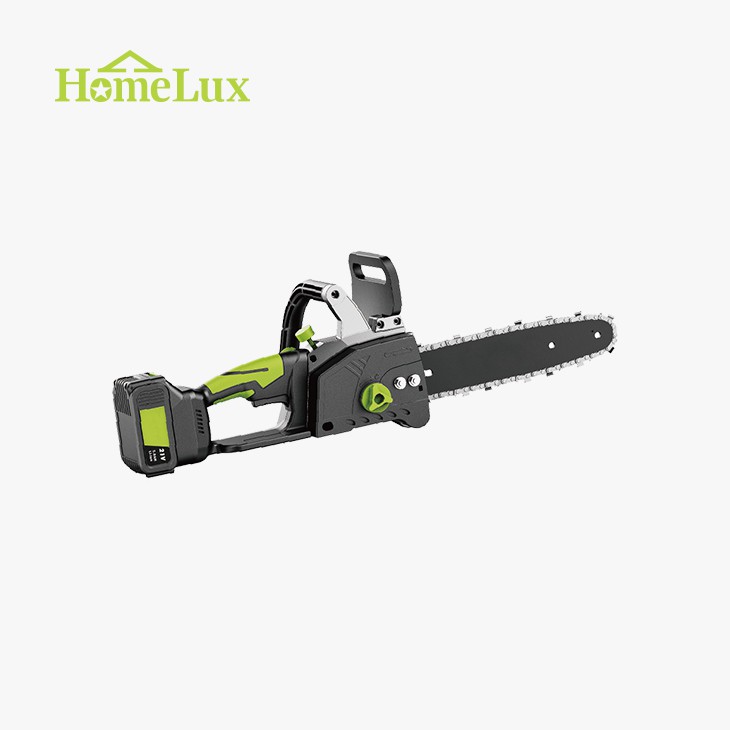

On the other hand, if you're only cutting a few small branches or doing some light pruning, a Brushless Electric Chainsaw might be a more lightweight and affordable option. Brushless electric chainsaws are quieter, more efficient, and require less maintenance than gas-powered chainsaws.
Conclusion
So, to answer the question, yes, you can use a cordless handheld chainsaw for cutting small trees. They're convenient, easy to use, and can handle most small tree cutting tasks. Just make sure you choose the right chainsaw for the job, follow the safety guidelines, and perform regular maintenance.
If you're in the market for a cordless handheld chainsaw, we've got a wide range of options to choose from. Our chainsaws are made with high-quality materials and advanced technology to ensure reliable performance and long-lasting durability. Whether you're a homeowner looking to do some yard work or a professional arborist, we've got the perfect chainsaw for you.
If you're interested in learning more about our products or have any questions, feel free to reach out to us. We'd be happy to help you find the right chainsaw for your needs and provide you with all the information you need to make an informed decision. Let's start a conversation about your chainsaw requirements and see how we can assist you in your tree-cutting endeavors.
References
- Chainsaw Safety Manuals from various manufacturers
- Arborist websites and forums discussing small tree cutting techniques
- Research on battery technology and its impact on chainsaw performance


