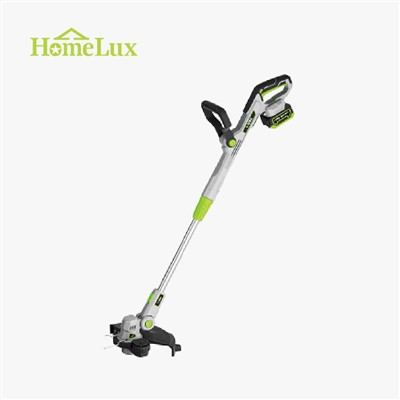
Hey there! As a supplier of Cordless Handheld Chainsaws, I often get asked a bunch of questions from customers. One question that pops up quite a bit is, "Can I use a cordless handheld chainsaw in wet conditions?" Well, let's dig into this topic and find out.
First off, let me give you a bit of background. Our Cordless Handheld Chainsaw is a popular choice among homeowners and professionals alike. It's lightweight, easy to handle, and offers great mobility compared to traditional corded chainsaws. We also have other great models like the Brushless Electric Chainsaw and the 6 Inch Cordless Mini Chainsaw, each with its own unique features.
Now, back to the main question. Using a cordless handheld chainsaw in wet conditions is a bit of a double - edged sword. On one hand, there are some situations where it might seem necessary. Maybe you've got some fallen branches in your yard after a heavy rain, or you're working in a forest where the ground and trees are damp. In these cases, it can be tempting to just grab your chainsaw and get to work.
But there are some real risks involved. The first and most obvious one is the electrical safety. Cordless chainsaws run on batteries, and water and electricity don't mix well. If water gets into the battery compartment or the electrical components of the chainsaw, it can cause a short - circuit. This not only means your chainsaw might stop working right away, but it can also be a serious safety hazard. You could end up getting an electric shock, which is definitely not something you want.


Another issue is the effect of water on the chainsaw's mechanical parts. The chain and bar of the chainsaw are made of metal. When they're exposed to water, they can start to rust. Rust weakens the metal over time, which can lead to the chain breaking or the bar becoming damaged. A broken chain can fly off at high speed, posing a significant danger to you and anyone nearby.
The wet conditions can also make the wood you're cutting slippery. This makes it harder to control the chainsaw. You need to have a firm grip on the wood to guide the chainsaw properly, and when the wood is wet, it's much easier for it to shift or move unexpectedly. This increases the risk of kickback, which is when the chainsaw suddenly jerks back towards you. Kickback is one of the most common causes of chainsaw injuries.
However, that doesn't mean you can never use your cordless handheld chainsaw in wet conditions. Some of our chainsaws are designed with certain water - resistant features. For example, they might have sealed battery compartments and water - resistant casings. These features can help protect the electrical components from getting wet. But even with these features, it's still important to take extra precautions.
Before using the chainsaw in wet conditions, make sure to check the manufacturer's instructions. Our product manuals usually have clear guidelines on whether the chainsaw can be used in wet conditions and what steps you should take. If the manual says it's not recommended, then it's best to wait for the conditions to dry up.
If the manual says it's okay to use in wet conditions, here are some tips. First, dry the chainsaw as much as possible before you start. Wipe down the chain, bar, and the body of the chainsaw with a dry cloth. This helps remove any excess water that could cause problems.
When you're using the chainsaw, wear appropriate safety gear. This includes non - slip boots, gloves, and eye and ear protection. The non - slip boots will help you maintain your footing on wet ground, and the gloves will give you a better grip on the chainsaw.
After you're done using the chainsaw in wet conditions, clean it thoroughly. Remove any sawdust or debris that might have accumulated on the chain and bar. Then, dry the chainsaw completely. You can use a blow - dryer on a low setting to speed up the drying process, especially in hard - to - reach areas. Apply a light coat of oil to the chain and bar to prevent rust.
It's also a good idea to store your chainsaw in a dry place. A tool shed or a garage is ideal. Don't leave it outside where it can be exposed to more moisture.
In conclusion, while it might be possible to use a cordless handheld chainsaw in wet conditions, it's not without risks. You need to weigh the benefits against the potential dangers. If you're not sure, it's always better to err on the side of caution and wait for the conditions to improve.
If you're in the market for a new cordless handheld chainsaw or have any questions about our products, we're here to help. Whether you need a Cordless Handheld Chainsaw for light yard work or a more powerful Brushless Electric Chainsaw for professional use, we've got you covered. Just reach out to us to start a discussion about your specific needs and how we can assist you in making the right choice.
References:
- Chainsaw safety guidelines from industry standards
- Manufacturer's product manuals for our cordless handheld chainsaws