

Using a lightweight cordless blower in the rain is a question that many users and potential buyers often ask. As a supplier of lightweight cordless blowers, I understand the concerns and curiosities surrounding this topic. In this blog, I'll delve into the technical aspects, safety considerations, and practical implications of using our cordless blowers in wet conditions.
Technical Limitations of Using a Blower in the Rain
Most lightweight cordless blowers, including the ones we supply, are not designed to be fully waterproof. The internal components of a blower, such as the motor, battery, and electrical circuitry, are sensitive to water. When water seeps into these components, it can cause short - circuits, corrosion, and permanent damage.
The motor is the heart of the blower. Water can disrupt the electrical flow within the motor, leading to overheating or even a complete breakdown. Similarly, the battery, whether it's a lithium - ion or other type, can be severely affected by water. Water can cause the battery to short - circuit, reducing its lifespan and potentially making it a safety hazard.
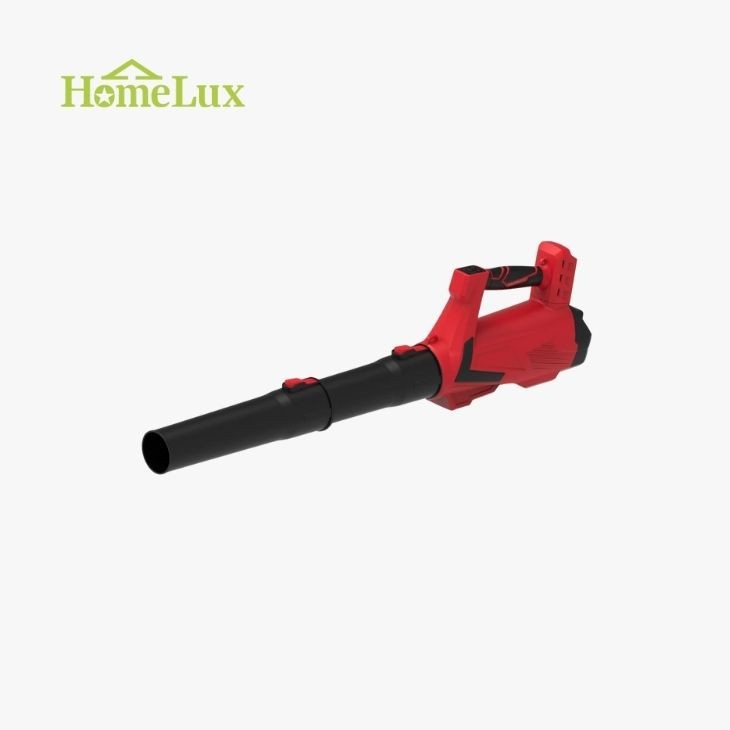
Our Cordless Blower For Leaves and Powerful Cordless Blower models are engineered to operate in normal, dry conditions. They have basic protection against dust and light splashes, but they are not built to withstand heavy rain. The housing of the blower is designed to keep out small amounts of moisture, but a continuous downpour can easily overwhelm these defenses.

Safety Concerns
Safety is a top priority when it comes to using any electrical equipment, and cordless blowers are no exception. Using a blower in the rain significantly increases the risk of electric shock. Water is a good conductor of electricity, and if there is a fault in the blower's insulation or if water has entered the electrical components, the user could be electrocuted.
In addition to the risk of electric shock, using a blower in wet conditions can also lead to slippery surfaces. The user may lose their balance while operating the blower, especially if they are on a wet lawn or driveway. This can result in falls and injuries.
Practical Implications
Even if the blower manages to survive a brief encounter with rain without immediate damage, the long - term effects can be significant. Corrosion can start to set in over time, affecting the performance and reliability of the blower. The moving parts may become rusty, leading to increased friction and reduced efficiency. This can result in a shorter lifespan for the blower and more frequent maintenance requirements.
Moreover, using a blower in the rain may void the warranty. Our company, like many others in the industry, has specific guidelines regarding the proper use and maintenance of our products. Using the blower in conditions that it is not designed for, such as heavy rain, can be considered a violation of the warranty terms.
Exceptions and Specialized Models
While our standard lightweight cordless blowers are not suitable for use in the rain, there are some specialized models on the market that are designed to be more water - resistant. These models typically have additional seals and coatings to protect the internal components from water. However, even these water - resistant blowers have their limitations. They may be able to handle light rain or wet grass, but they are still not recommended for use in a downpour.
Our Powerful Cordless Leaf Blower series does not currently include a fully waterproof model. But we are constantly researching and developing new technologies to improve the water - resistance of our products. We understand that there is a demand for blowers that can be used in a wider range of conditions, and we are committed to meeting those needs in the future.
Best Practices for Using Blowers in Damp Conditions
If you find yourself in a situation where there is some light moisture in the air or on the ground, there are some precautions you can take. First, make sure to check the blower for any signs of damage before use. If there are any cracks or openings in the housing, it's best to avoid using the blower in damp conditions.
Keep the blower as dry as possible during use. You can use a waterproof cover or shield to protect the blower from direct contact with water. After use, dry the blower thoroughly with a clean, dry cloth. Pay special attention to the air intake and exhaust ports, as water can accumulate in these areas.
Conclusion
In conclusion, it is not advisable to use our lightweight cordless blowers in the rain. The technical limitations, safety concerns, and long - term implications make it a risky proposition. However, we are aware of the need for more versatile products, and we are working towards developing blowers that can handle wetter conditions.
If you are in the market for a lightweight cordless blower, we invite you to explore our range of products. Our blowers are designed for high - performance and reliability in normal, dry conditions. Whether you need a blower for clearing leaves in your garden or for light cleaning tasks, we have a model that will suit your needs.
If you have any questions about our products or if you are interested in purchasing in bulk, we encourage you to reach out to us for a procurement discussion. We look forward to serving you and meeting your blower needs.
References
- Manufacturer's guidelines for lightweight cordless blowers.
- Industry standards for electrical equipment safety in wet conditions.


