

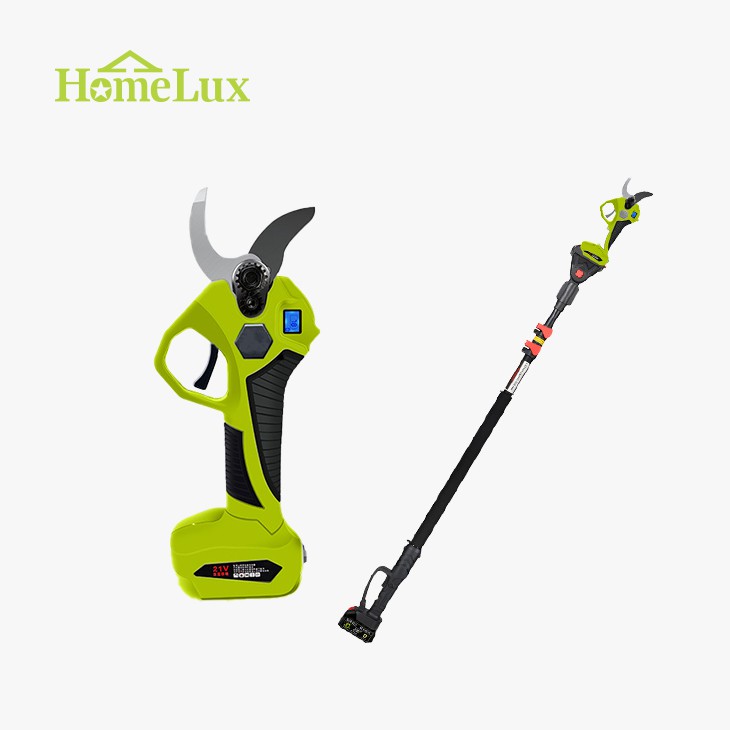
Hey there! As a supplier of Rechargeable Garden Shears, I often get asked about how to dispose of the old batteries of these handy tools. It's a crucial topic, not just for the proper functioning of our Cordless Electric Pruning Shears but also for the environment. So, let's dive right in and explore the best ways to handle those used-up batteries.
First off, it's important to understand what kind of batteries our rechargeable garden shears usually use. Most of the time, they're powered by lithium-ion batteries, like in our Lithium Pruning Shears. These batteries are great because they're lightweight, have a high energy density, and can be recharged many times. But when they reach the end of their life, they need to be disposed of correctly.
One of the main reasons for proper battery disposal is environmental protection. Lithium-ion batteries contain chemicals and heavy metals that can be harmful if they end up in landfills. When these batteries break down, the chemicals can seep into the soil and contaminate groundwater. This can have a negative impact on plants, animals, and even human health. So, we definitely don't want that!
Now, let's talk about the different ways you can dispose of old batteries.
Recycling Programs
Many local governments and recycling centers offer battery recycling programs. These programs are designed to safely collect and process used batteries. You can usually find a list of nearby recycling locations on your local government's website or by contacting your waste management department.
When you take your old batteries to a recycling center, they'll be sorted and processed. The valuable materials in the batteries, like lithium, cobalt, and nickel, will be extracted and reused to make new batteries or other products. This not only helps to conserve natural resources but also reduces the environmental impact of battery production.
Manufacturer Take-Back Programs
Some battery manufacturers have their own take-back programs. These programs allow you to return your old batteries directly to the manufacturer for recycling. Check the website of the battery manufacturer that came with your rechargeable garden shears to see if they offer a take-back program. If they do, they'll usually provide instructions on how to package and send the batteries back.

Manufacturer take-back programs are a great option because they ensure that the batteries are recycled in a way that meets the manufacturer's standards. This can help to maximize the recovery of valuable materials and minimize the environmental impact of the recycling process.
Retailer Drop-Off Programs
Many retailers that sell batteries also offer drop-off programs. You can take your old batteries to these retailers, and they'll collect them for recycling. Some common retailers that offer battery drop-off programs include hardware stores, electronics stores, and big-box retailers.
Before you take your batteries to a retailer, make sure to call ahead and confirm that they accept lithium-ion batteries. Also, check if there are any specific requirements for dropping off the batteries, such as packaging or labeling.
DIY Disposal (Not Recommended)
While it might be tempting to try to dispose of the batteries yourself, I really don't recommend it. Lithium-ion batteries can be dangerous if they're not handled properly. They can overheat, catch fire, or even explode if they're damaged or short-circuited.
If you're not experienced in handling batteries, it's best to leave the disposal to the professionals. Trying to open or disassemble a lithium-ion battery on your own can put you at risk of injury and can also cause environmental damage if the chemicals are released.
Tips for Safe Battery Handling
Even before you need to dispose of your old batteries, it's important to handle them safely. Here are some tips to keep in mind:
- Store batteries properly: Keep your batteries in a cool, dry place away from direct sunlight and heat sources. Avoid storing them in areas where they could be damaged or crushed.
- Use the right charger: Always use the charger that came with your rechargeable garden shears or a charger that's specifically designed for the type of battery you have. Using the wrong charger can damage the battery and increase the risk of fire or explosion.
- Avoid overcharging and over-discharging: Overcharging or over-discharging a lithium-ion battery can reduce its lifespan and increase the risk of damage. Follow the manufacturer's instructions for charging and discharging your batteries.
- Inspect batteries regularly: Check your batteries for any signs of damage, such as swelling, leaking, or cracks. If you notice any damage, stop using the battery immediately and dispose of it properly.
In addition to proper disposal, there are also some things you can do to extend the life of your batteries and reduce the frequency of battery replacements. Here are a few tips:
- Charge your batteries correctly: Follow the manufacturer's instructions for charging your batteries. Avoid charging them for longer than necessary or leaving them on the charger overnight.
- Use your shears efficiently: Try to use your rechargeable garden shears in a way that conserves battery power. For example, avoid using them at full power when it's not necessary and turn them off when you're not using them.
- Keep your batteries clean: Dirt and debris can build up on the battery contacts, which can reduce the efficiency of the battery. Use a clean, dry cloth to wipe the battery contacts regularly.
So, there you have it! Those are the main ways to dispose of old batteries from rechargeable garden shears. By following these tips, you can help to protect the environment and ensure that your batteries are recycled safely and responsibly.
If you're in the market for high-quality Rechargeable Garden Shears, Cordless Electric Pruning Shears, or Lithium Pruning Shears, we've got you covered. Our shears are designed to be durable, efficient, and easy to use. And we're committed to providing excellent customer service and support.
If you have any questions or would like to discuss a potential purchase, feel free to reach out. We'd love to hear from you and help you find the perfect shears for your gardening needs.
References
- Environmental Protection Agency. (n.d.). Battery Recycling. Retrieved from [URL of EPA battery recycling page]
- Battery Council International. (n.d.). Battery Recycling Guide. Retrieved from [URL of BCI battery recycling guide]


