

When it comes to choosing a chainsaw for your cutting needs, one of the key decisions you'll face is whether to go for a cordless handheld chainsaw or a corded one. As a supplier of Cordless Handheld Chainsaw, I've witnessed firsthand the advantages and limitations of both types, and I'm excited to share my insights with you.
Portability and Mobility
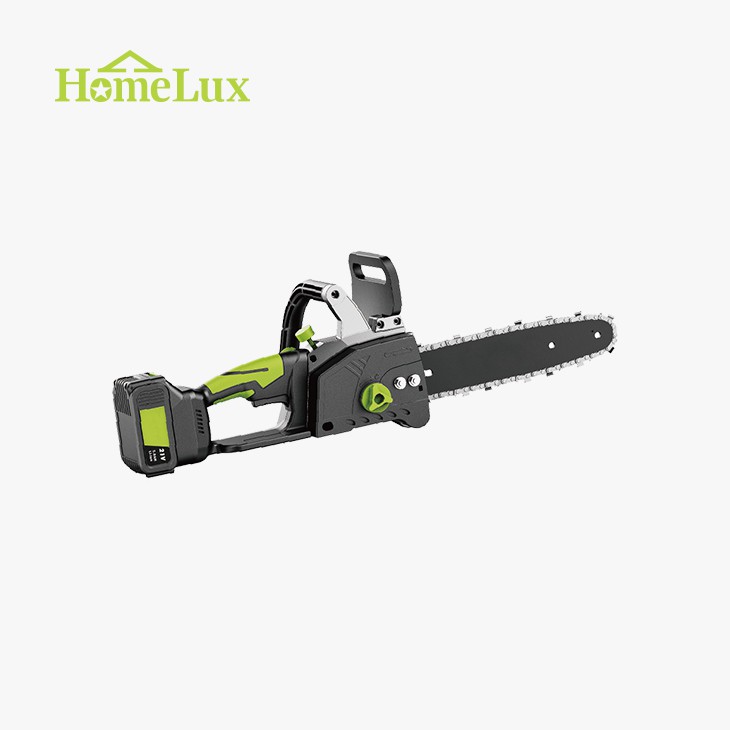
One of the most significant benefits of a cordless handheld chainsaw is its portability. Without the need for a power cord, you can take it anywhere you need to go, whether it's to the backyard, a forest, or a remote job site. This freedom of movement allows you to tackle cutting tasks with ease, without being restricted by the length of a cord or the availability of a power outlet.
In contrast, corded chainsaws are tethered to a power source, which limits their mobility. You'll need to ensure that you have access to an electrical outlet within reach, and you may need to use an extension cord, which can add additional weight and complexity to your work. This can be a significant drawback if you need to move around frequently or work in areas where power outlets are not readily available.
Convenience and Ease of Use
Cordless handheld chainsaws are also incredibly convenient and easy to use. They typically feature a lightweight design and ergonomic handles, which make them comfortable to hold and operate for extended periods. Many models also come with features such as automatic oiling systems, tool-free chain tensioning, and quick-start mechanisms, which further enhance their ease of use.
Corded chainsaws, on the other hand, can be more cumbersome and difficult to maneuver. They are often heavier and bulkier than cordless models, and the power cord can get in the way and make it challenging to reach certain areas. Additionally, starting a corded chainsaw can be more complicated, as you'll need to ensure that the power switch is in the correct position and that the extension cord is properly connected.
Power and Performance
While cordless handheld chainsaws have come a long way in terms of power and performance, they still generally have less power than corded models. This is because corded chainsaws are powered by a continuous supply of electricity, which allows them to deliver more consistent and reliable performance. They are also typically able to handle larger and more demanding cutting tasks, such as felling trees and cutting through thick logs.
However, advancements in battery technology have made it possible for cordless chainsaws to offer impressive power and performance. Many modern cordless models are equipped with high-capacity lithium-ion batteries, which can provide enough power to handle most common cutting tasks. Additionally, some models feature brushless motors, which are more efficient and durable than traditional brushed motors, and can deliver even more power and performance.
Maintenance and Durability
Cordless handheld chainsaws are generally easier to maintain than corded models. They typically require less frequent maintenance, as they do not have a power cord that can become damaged or frayed over time. Additionally, many cordless models come with features such as automatic oiling systems, which help to keep the chain lubricated and reduce wear and tear.
Corded chainsaws, on the other hand, require more regular maintenance to ensure that they are operating safely and efficiently. You'll need to check the power cord for damage regularly, and you may need to replace it if it becomes worn or frayed. Additionally, you'll need to keep the chain sharp and properly tensioned, and you'll need to lubricate it regularly to prevent it from overheating and wearing out.
Cost
The cost of a chainsaw is another important factor to consider when making your decision. Cordless handheld chainsaws are generally more expensive than corded models, as they require a battery and charger, which can add to the overall cost. However, the cost of cordless chainsaws has been decreasing in recent years, as battery technology has become more advanced and affordable.
Corded chainsaws, on the other hand, are typically less expensive than cordless models, as they do not require a battery and charger. However, you'll need to factor in the cost of an extension cord, which can add to the overall cost of the chainsaw. Additionally, if you need to use the chainsaw in areas where power outlets are not readily available, you may need to invest in a generator, which can be a significant additional expense.

Conclusion
In conclusion, both cordless handheld chainsaws and corded chainsaws have their advantages and limitations. Cordless models offer greater portability, convenience, and ease of use, while corded models generally offer more power and performance. When choosing a chainsaw, it's important to consider your specific needs and requirements, as well as your budget and preferences.
If you're looking for a chainsaw that is portable, convenient, and easy to use, and you don't need to tackle large or demanding cutting tasks, then a cordless handheld chainsaw may be the right choice for you. On the other hand, if you need a chainsaw that can deliver more power and performance, and you have access to a reliable power source, then a corded chainsaw may be a better option.
As a supplier of Cordless Handheld Chainsaw, I'm confident that we have the perfect chainsaw for your needs. Our Lithium Battery Chainsaw and Brushless Electric Chainsaw models offer a combination of power, performance, and convenience, and are designed to meet the needs of both professional and DIY users.
If you're interested in learning more about our products or would like to discuss your specific requirements, please don't hesitate to contact us. We'd be happy to help you find the perfect chainsaw for your needs and provide you with all the information and support you need to make an informed decision.
References
- Chainsaw Safety: A Guide for Homeowners and Professionals. U.S. Forest Service.
- Cordless vs. Corded Chainsaws: Which is Right for You? Family Handyman.
- The Best Cordless Chainsaws of 2023. Popular Mechanics.


