

Hey there! As a supplier of powerful cordless leaf blowers, I've seen firsthand how the air flow direction of these nifty tools can make or break their effectiveness. Today, I'm gonna dive deep into this topic and share some insights that'll help you understand why air flow direction matters so much.
Let's start with the basics. A cordless leaf blower is a fantastic piece of equipment for keeping your yard clean and tidy. It's powered by a rechargeable battery, which means you don't have to deal with the hassle of cords getting in your way. But the real magic happens when you consider how the air flows out of the blower.
There are generally two main types of air flow directions in cordless leaf blowers: straight and angled. Each type has its own set of advantages and disadvantages, and understanding them can help you choose the right blower for your needs.
Straight Air Flow Direction
A leaf blower with a straight air flow direction sends the air in a direct, linear path. This type of air flow is great for situations where you need to move leaves or debris over a long distance. For example, if you have a large driveway or a long sidewalk, a straight air flow blower can quickly push the leaves to the side, clearing the area efficiently.
One of the biggest advantages of a straight air flow is its power. Since the air is concentrated in a single direction, it can generate a strong force that's capable of moving heavy or wet leaves. This makes it ideal for use in the fall when there are a lot of leaves on the ground.
However, straight air flow blowers also have some limitations. Because the air is flowing in a straight line, it can be difficult to reach into tight spaces or around obstacles. For instance, if you have a lot of shrubs or flower beds in your yard, it might be challenging to use a straight air flow blower to clean up the leaves that are trapped between them.

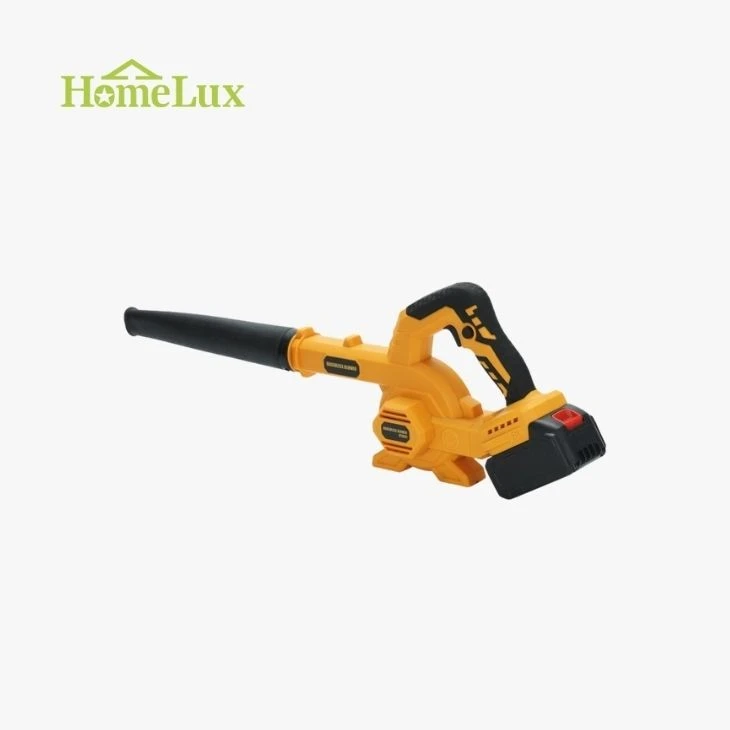
Angled Air Flow Direction
On the other hand, an angled air flow direction allows the air to be directed at an angle. This type of air flow is more versatile and can be used in a wider range of situations. For example, if you need to clean up leaves from under a car or around a tree trunk, an angled air flow blower can easily reach those hard-to-reach areas.
Another advantage of an angled air flow is that it can create a swirling effect, which helps to lift and move the leaves more effectively. This is especially useful for light or dry leaves that tend to stick to the ground. By creating a swirling motion, the blower can break the surface tension between the leaves and the ground, making them easier to move.
However, angled air flow blowers may not be as powerful as straight air flow blowers when it comes to moving heavy or wet leaves over long distances. The angled air flow spreads out the force of the air, which can reduce its overall power.
Choosing the Right Air Flow Direction
So, how do you choose the right air flow direction for your cordless leaf blower? Well, it really depends on your specific needs and the type of yard you have. If you have a large, open area with few obstacles, a straight air flow blower might be the best choice. It'll give you the power you need to move a lot of leaves quickly.
On the other hand, if you have a yard with a lot of tight spaces, shrubs, or flower beds, an angled air flow blower might be more suitable. It'll allow you to reach those hard-to-reach areas and clean up the leaves more effectively.
At our company, we offer a variety of cordless leaf blowers with different air flow directions to meet the needs of our customers. Whether you're looking for a Lightweight Cordless Blower for easy maneuverability or a High Power Battery Leaf Blower for heavy-duty cleaning, we've got you covered. We also have a 20V Cordless Blower that provides a good balance of power and portability.
Impact on Effectiveness
The air flow direction of a cordless leaf blower can have a significant impact on its effectiveness. By choosing the right air flow direction for your needs, you can make your leaf blowing tasks easier and more efficient.
For example, if you're using a straight air flow blower in a small, cluttered yard, you might find yourself spending a lot of time trying to reach the leaves that are trapped in tight spaces. On the other hand, if you're using an angled air flow blower in a large, open area, you might not have enough power to move the leaves over a long distance.
In addition to the air flow direction, other factors such as the blower's power, speed, and nozzle design can also affect its effectiveness. That's why it's important to choose a blower that's specifically designed for your needs.
Conclusion
In conclusion, the air flow direction of a powerful cordless leaf blower plays a crucial role in its effectiveness. Whether you choose a straight or angled air flow depends on your specific needs and the type of yard you have. By understanding the advantages and disadvantages of each type of air flow, you can make an informed decision and choose the right blower for your leaf blowing tasks.
If you're interested in learning more about our cordless leaf blowers or have any questions about air flow direction, feel free to reach out to us. We're always here to help you find the perfect blower for your needs. Let's get your yard looking its best together!
References
- Smith, J. (2022). The Ultimate Guide to Cordless Leaf Blowers. Gardening Today.
- Johnson, A. (2021). Air Flow Dynamics in Leaf Blowers. Power Tools Magazine.


