

Hey there! As a supplier of Lithium Battery Chainsaws, I've seen firsthand how important it is to keep your chainsaw in top - notch condition. One of the key maintenance tasks that often gets overlooked is adjusting the chain tension. In this blog, I'll walk you through the steps on how to adjust the chain tension on a lithium battery chainsaw correctly.
First off, let's understand why chain tension matters. A chain that's too loose can come off the guide bar during operation, which is not only a hassle but also extremely dangerous. On the other hand, a chain that's too tight can cause excessive wear on the guide bar and the chain itself, reducing their lifespan and making the chainsaw less efficient. So, getting the tension just right is crucial for both safety and performance.
Before we start adjusting the chain tension, make sure your lithium battery chainsaw is turned off and the battery is removed. Safety first, right? You don't want the chainsaw to accidentally start while you're working on it.
Step 1: Inspect the Chain and Guide Bar
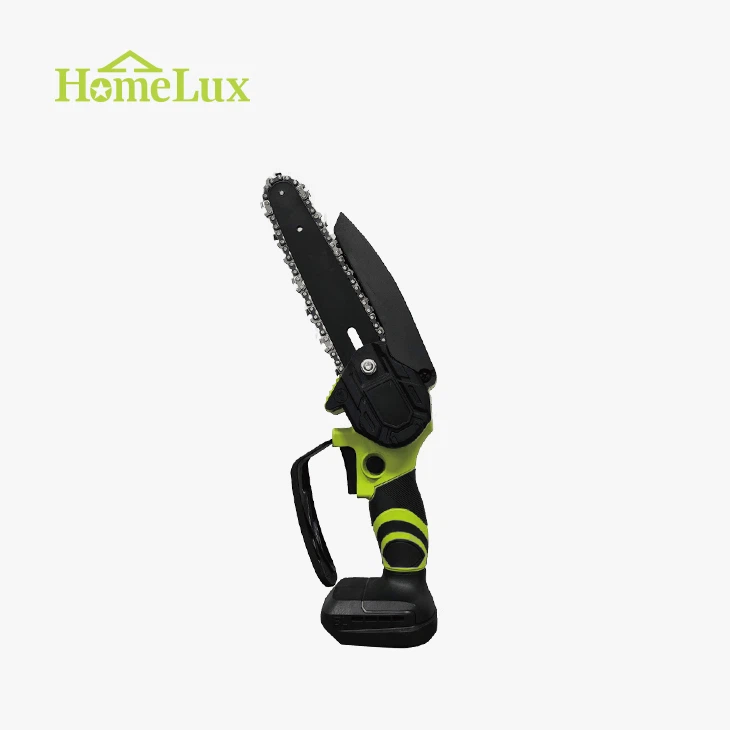
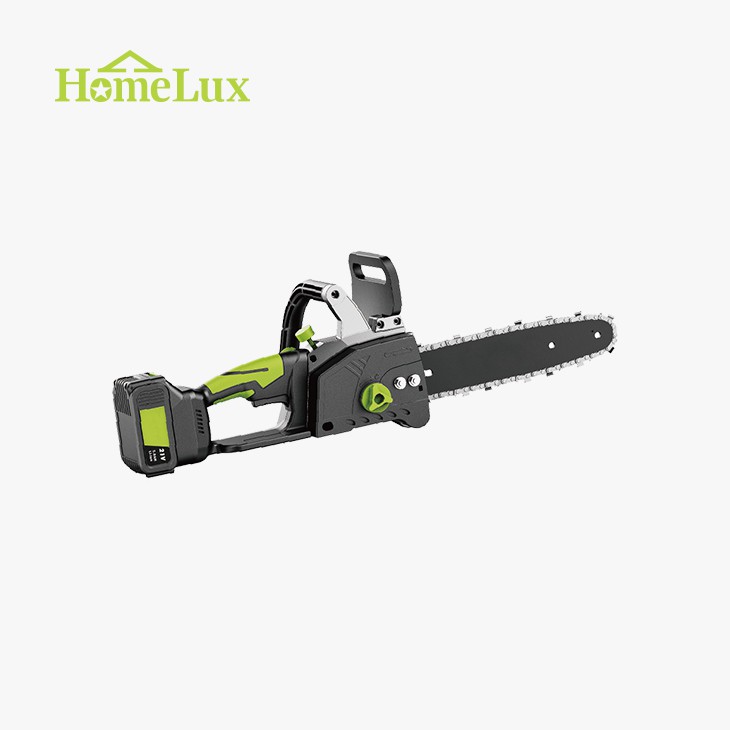
Take a good look at the chain and the guide bar. Check for any signs of damage, such as broken teeth on the chain or a worn - out guide bar. If you notice any issues, it might be time to replace the damaged parts. You can find high - quality replacement parts on our website, including the Cordless Brushless Chainsaw and the 6 Inch Cordless Mini Chainsaw.
Step 2: Locate the Tensioning Mechanism
Different chainsaws have different tensioning mechanisms, but most lithium battery chainsaws have a tensioning screw or a knob. This is usually located near the guide bar. Refer to your chainsaw's user manual if you're having trouble finding it.
Step 3: Loosen the Guide Bar Cover
Use a suitable tool, like a wrench or a screwdriver, to loosen the bolts or screws that hold the guide bar cover in place. Be careful not to lose the bolts or any small parts. Once the cover is loose, you'll have access to the chain and the guide bar.
Step 4: Check the Current Chain Tension
Before you start making any adjustments, check the current tension of the chain. You can do this by pulling the chain away from the guide bar at the middle of the bar. A properly tensioned chain should have a little bit of slack, but not too much. If you can pull the chain more than about 1/4 inch away from the guide bar, it's probably too loose. If there's no slack at all, it's too tight.
Step 5: Adjust the Chain Tension
Now it's time to make the adjustment. If the chain is too loose, turn the tensioning screw or knob clockwise to tighten it. If it's too tight, turn it counter - clockwise to loosen it. Make small adjustments at a time and check the tension after each adjustment. You don't want to over - tighten or over - loosen the chain.
Step 6: Re - check the Chain Tension
After making an adjustment, re - check the chain tension using the same method as before. Pull the chain away from the guide bar at the middle of the bar. The chain should have a slight amount of slack, but it should also move smoothly around the guide bar without binding.
Step 7: Tighten the Guide Bar Cover
Once you're satisfied with the chain tension, tighten the guide bar cover back in place. Make sure the bolts or screws are tightened securely, but don't over - tighten them. You don't want to damage the cover or the chainsaw.
Step 8: Test the Chainsaw
Re - insert the battery and turn on the chainsaw. Let it run for a few seconds and listen for any unusual noises. Watch the chain as it moves around the guide bar. It should move smoothly and evenly. If you notice any problems, turn off the chainsaw immediately and double - check the chain tension.
Tips for Maintaining the Right Chain Tension
- Regular Checks: Check the chain tension before each use, especially if you're using the chainsaw for extended periods or on tough jobs.
- Keep it Clean: Dirt and debris can affect the chain tension. Clean the chain and the guide bar regularly to keep them in good condition.
- Use the Right Tools: Always use the tools recommended in your chainsaw's user manual for adjusting the chain tension. Using the wrong tools can damage the chainsaw.
As a supplier of Lithium Battery Chainsaws, we're committed to providing you with high - quality products and helpful advice. If you have any questions about chain tension adjustment or any other aspect of using our chainsaws, don't hesitate to reach out to us. We're here to help you get the most out of your chainsaw.
Whether you're a professional logger or a DIY enthusiast, having a well - maintained chainsaw is essential. By following these steps, you can ensure that your lithium battery chainsaw is always in good working condition. And if you're in the market for a new chainsaw or replacement parts, check out our website for a wide range of options.
If you're interested in purchasing our Lithium Battery Chainsaws or have any inquiries about our products, feel free to contact us. We're looking forward to discussing your needs and helping you find the perfect chainsaw for your tasks.
References
- Chainsaw user manuals provided by the manufacturer.
- Industry best practices for chainsaw maintenance.


