

As a supplier of lightweight cordless blowers, I understand the importance of proper storage for these handy tools. Not only does it ensure their longevity and optimal performance, but it also guarantees user safety. In this blog post, I'll share some of the best ways to store a lightweight cordless blower, based on industry knowledge and best practices.
Clean the Blower Before Storage
Before storing your lightweight cordless blower, it's crucial to clean it thoroughly. This helps prevent the buildup of dirt, debris, and moisture, which can damage the blower's components over time. Start by removing any loose debris from the blower's exterior using a soft brush or cloth. Pay special attention to the air intake and exhaust vents, as these areas tend to accumulate the most dirt.
Next, use a damp cloth to wipe down the entire blower, including the handle, nozzle, and body. Avoid using abrasive cleaners or solvents, as these can damage the blower's finish. If there are stubborn stains or dirt, you can use a mild soap solution, but be sure to rinse the blower thoroughly with clean water and dry it completely before storing.
Remove and Store the Battery Properly
The battery is one of the most important components of a lightweight cordless blower, and proper storage is essential to maintain its performance and lifespan. Before storing the blower, remove the battery from the unit. This helps prevent over-discharging, which can damage the battery cells.
If the battery is fully charged, it's a good idea to use the blower for a short period to reduce the charge level slightly. Most battery manufacturers recommend storing lithium-ion batteries at a charge level of around 50%. This helps prevent the battery from overheating and extends its overall lifespan.
Store the battery in a cool, dry place away from direct sunlight and heat sources. Avoid storing the battery in extreme temperatures, as this can also damage the battery cells. A temperature range of 20°C to 25°C (68°F to 77°F) is ideal for battery storage. You can use a battery storage case or a plastic bag to protect the battery from dust and moisture.
Store the Blower in a Dry and Protected Location
Once the blower is clean and the battery is removed, it's time to find a suitable storage location. Choose a dry, cool, and well-ventilated area to store the blower. Avoid storing the blower in damp or humid environments, as this can cause rust and corrosion on the metal components.
A garage, shed, or utility room is often a good choice for storing a lightweight cordless blower. Make sure the storage area is protected from the elements and away from any potential hazards, such as sharp objects or heavy machinery. You can also use a storage rack or a wall-mounted hook to keep the blower off the ground and organized.
Protect the Blower from Physical Damage
To prevent physical damage to the blower during storage, it's important to handle it with care. Avoid dropping or banging the blower, as this can damage the internal components. If possible, store the blower in its original packaging or a protective case to provide additional cushioning and protection.
If you don't have the original packaging, you can use a soft cloth or a foam padding to wrap the blower. This helps protect the blower from scratches and dents. Make sure the blower is stored in an upright position to prevent any oil or fuel from leaking into the motor.
Check the Blower Regularly During Storage
Even if the blower is stored properly, it's still a good idea to check it regularly during the storage period. This helps ensure that the blower is in good condition and ready to use when you need it. Check the blower for any signs of damage, such as cracks, leaks, or loose parts. If you notice any issues, it's important to address them immediately to prevent further damage.
You should also check the battery regularly to make sure it's holding a charge. If the battery has lost its charge, you can recharge it using the manufacturer's recommended charger. Make sure to follow the charging instructions carefully to avoid overcharging or damaging the battery.
Conclusion
Proper storage is essential for maintaining the performance and lifespan of a lightweight cordless blower. By following these tips, you can ensure that your blower is stored safely and ready to use when you need it. Remember to clean the blower before storage, remove and store the battery properly, store the blower in a dry and protected location, protect the blower from physical damage, and check the blower regularly during storage.

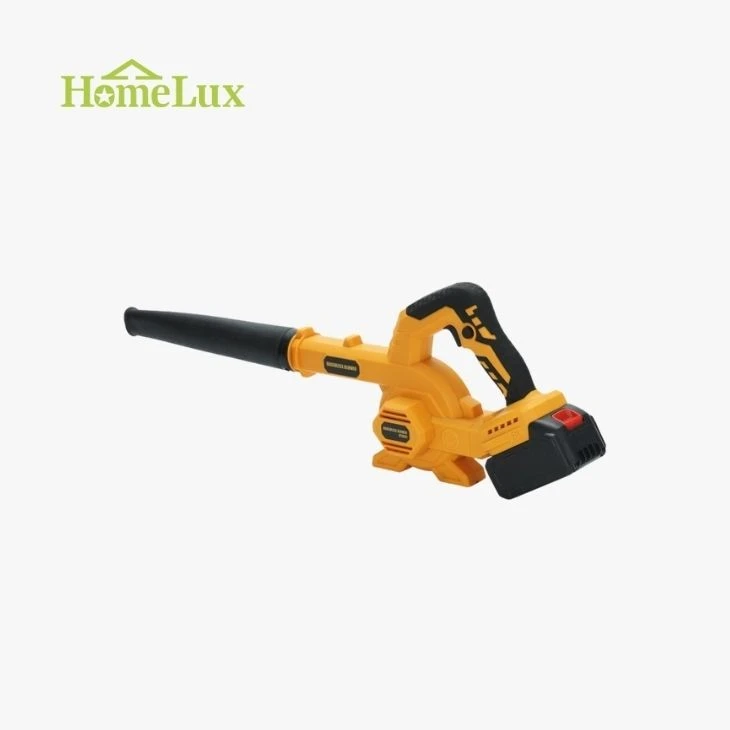
If you're in the market for a high-quality lightweight cordless blower, we offer a wide range of products to meet your needs. Check out our High Power Battery Leaf Blower, Powerful Cordless Leaf Blower, and 20V Cordless Blower for more information.
If you have any questions or would like to discuss your specific requirements, please don't hesitate to contact us. We're here to help you find the best lightweight cordless blower for your needs and provide you with the support and service you deserve.
References
- Battery Storage Guidelines. (n.d.). Retrieved from various battery manufacturer websites.
- Lightweight Cordless Blower User Manuals. (n.d.). Retrieved from the product websites of different manufacturers.


