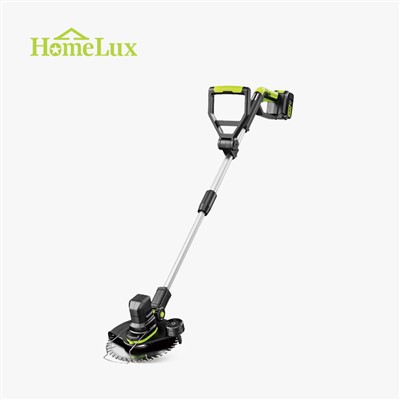
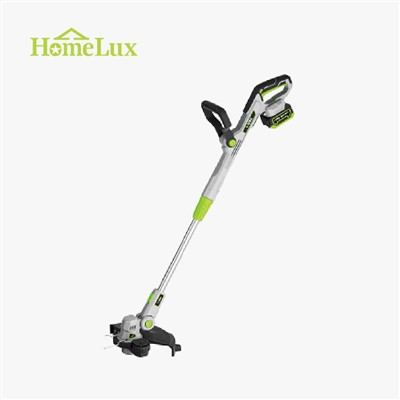
Cordless garden tools are experiencing rapid growth in the modern landscaping industry as lithium battery technology continues to replace traditional gas-powered systems. This shift is driven by efficiency improvements, environmental concerns, and increasing demand from distributors, importers, and professional landscaping companies for more flexible and cost-effective outdoor power equipment.

What Is Driving the Growth of Cordless Garden Tools in the Global Market?
The expansion of cordless garden tools is not a short-term trend but a structural shift in the industry.
Several key factors are accelerating this growth:
- Increasing urbanization and residential landscaping projects
- Rising labor costs in outdoor maintenance services
- Stronger environmental regulations on emissions
- Higher demand for low-noise equipment in urban areas
In addition, end users are becoming more aware of long-term operating costs, pushing the market toward battery-powered alternatives.
How Is the Landscaping Industry Changing with Lithium Battery Technology?
Lithium battery technology is reshaping the landscaping equipment industry at both professional and residential levels.
Compared with traditional fuel-powered systems, modern battery platforms offer:
- Higher energy efficiency
- Faster charging cycles
- Improved durability and runtime
- Reduced maintenance requirements
This significantly simplifies inventory management for distributors and reduces operational complexity for end users.
What Advantages Do Cordless Garden Tools Offer Over Traditional Gas Equipment?
Cordless garden tools are increasingly replacing gas-powered equipment because of their practical advantages in daily operations.
The most notable differences include:
Operational efficiency
- No fuel mixing or engine startup
- Instant start with one button
Maintenance cost
- No engine oil or carburetor servicing
- Lower long-term maintenance requirements
User experience
- Lower vibration and noise levels
- Lighter weight and improved handling
Environmental impact
- Zero direct emissions during use
- More suitable for regulated urban environments
These benefits make cordless systems more attractive not only for homeowners but also for commercial landscaping contractors.
Which Applications Are Expanding the Fastest for Cordless Garden Tools?
The adoption of cordless garden tools is expanding across multiple application segments.
The fastest-growing areas include:
- Residential garden maintenance and landscaping
- Commercial property management
- Municipal park and green space maintenance
- Small-scale landscaping service providers
Among these, residential and light commercial applications are leading demand growth, especially in densely populated urban areas where noise and emissions are major concerns.
How Are Distributors and Importers Responding to This Market Shift?
Distributors and importers are adapting quickly to the shift toward lithium battery-powered tools.
Key changes in procurement strategy include:
- Increasing focus on cordless product portfolios
- Reducing dependence on gasoline-powered SKUs
- Expanding OEM/ODM cooperation with manufacturers
- Prioritizing suppliers with integrated battery platforms
For many buyers, product consistency and battery compatibility have become more important than individual tool specifications.
What Will Shape the Future of the Cordless Garden Tools Industry?
The future of the industry will be shaped by continued technological and market evolution.
Several trends are expected to define the next stage of growth:
Wider adoption of one-battery-multiple-tools systems
Continuous improvement in battery density and runtime
Expansion into emerging markets across Asia and Latin America
Stronger integration of smart features and digital monitoring
As these developments accelerate, cordless garden tools are expected to become the standard solution in modern landscaping operations.
Conclusion
The rapid growth of cordless garden tools in the modern landscaping industry reflects a clear shift toward efficiency, sustainability, and operational simplicity. Lithium battery technology is enabling this transition by replacing traditional gas-powered systems with more flexible and cost-effective solutions.
For distributors, importers, and professional buyers, this shift presents a significant opportunity to upgrade product portfolios and align with the future direction of the global garden equipment market.