

In the realm of chainsaw technology, the debate between lithium battery chainsaws and gas - powered ones has been a hot topic, especially when it comes to the cost of operation. As a supplier of Lithium Battery Chainsaws, I've witnessed firsthand the growing interest in these eco - friendly alternatives. In this blog, I'll delve into the factors that contribute to the operational costs of both types of chainsaws to determine whether lithium battery chainsaws are truly more expensive to operate than their gas - powered counterparts.
Initial Purchase Cost
The first aspect to consider is the initial investment. Gas - powered chainsaws have been around for a long time and are widely available in a variety of price ranges. Generally, entry - level gas - powered chainsaws can be relatively affordable, making them an attractive option for budget - conscious consumers. However, high - end professional gas - powered models with advanced features can be quite costly.
On the other hand, lithium battery chainsaws often come with a higher upfront price tag. The cost of the battery technology, which includes the lithium cells, battery management system, and charger, adds to the overall price. But it's important to note that as technology advances and economies of scale come into play, the prices of lithium battery chainsaws are gradually becoming more competitive. For instance, our Lithium Battery Chainsaw offers excellent value for money considering its performance and long - term benefits.
Fuel and Energy Costs
One of the most significant differences between the two types of chainsaws lies in their energy sources. Gas - powered chainsaws run on a mixture of gasoline and oil. The cost of gasoline can fluctuate depending on market conditions, and over time, these fuel expenses can add up. Additionally, the oil required for the fuel mixture also contributes to the operating cost.
Lithium battery chainsaws, on the contrary, are powered by rechargeable lithium - ion batteries. The cost of charging these batteries is relatively low compared to the cost of gasoline. To charge a typical lithium battery for a chainsaw, you simply plug it into a standard electrical outlet. The electricity cost is minimal, especially when considering that a single charge can often power the chainsaw for a significant amount of work. For example, our Cordless Handheld Chainsaw can complete multiple small - to - medium - sized jobs on a single charge, resulting in long - term savings on energy costs.
Maintenance Costs
Maintenance is another crucial factor in determining the overall operating cost. Gas - powered chainsaws have more complex engines with numerous moving parts. These engines require regular maintenance, including oil changes, air filter cleaning or replacement, spark plug replacement, and carburetor adjustments. The cost of these maintenance tasks, along with the time and effort required, can be substantial.
Lithium battery chainsaws have fewer moving parts, which means less maintenance. There's no need for oil changes, and the battery - powered motors generally have a longer lifespan with fewer mechanical issues. The main maintenance for a lithium battery chainsaw involves keeping the chain sharp and checking the battery for proper charging and storage. Our Cordless Brushless Chainsaw is designed with durability in mind, reducing the need for frequent repairs and maintenance.
Noise and Environmental Costs
While not directly related to monetary costs, noise and environmental impacts are important considerations. Gas - powered chainsaws are notoriously noisy, which can be a nuisance in residential areas and may even require the use of hearing protection. Moreover, they emit exhaust fumes that contribute to air pollution. In some areas, there are regulations regarding the use of gas - powered equipment due to these environmental concerns.

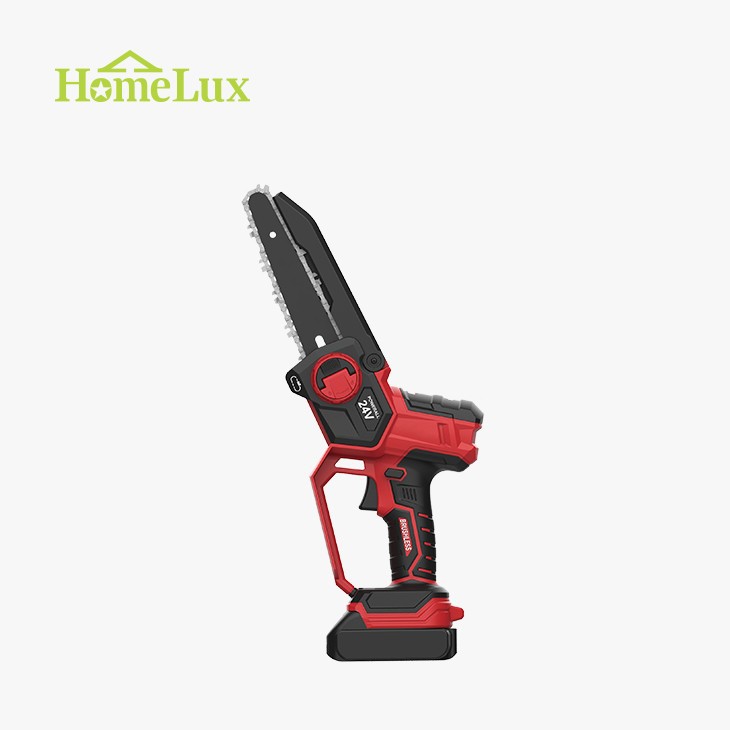
Lithium battery chainsaws are much quieter in operation, making them more suitable for use in noise - sensitive areas. They also produce zero emissions during use, which is better for the environment. Although these factors don't have an immediate financial impact, they can lead to long - term savings in terms of potential fines for non - compliance with environmental regulations and the reduced need for noise - related safety equipment.
Long - Term Cost Analysis
When looking at the long - term cost of operation, it becomes clear that lithium battery chainsaws may not be more expensive. While the initial purchase price may be higher, the lower energy and maintenance costs over time can offset this difference. For a homeowner or a professional who uses a chainsaw regularly, the savings on fuel and maintenance can be significant.
Let's take an example. Suppose a professional arborist uses a chainsaw for an average of 20 hours per week. A gas - powered chainsaw might consume around 1 - 2 gallons of fuel per hour, depending on the model and the type of work. At an average gasoline price of $3 per gallon, the weekly fuel cost could be between $60 - $120. Over a year, this amounts to $3120 - $6240 in fuel costs alone.
In contrast, a lithium battery chainsaw with a fully charged battery can operate for several hours. If we assume that the battery needs to be recharged twice a week and the cost of electricity for each charge is around $0.5, the weekly electricity cost is only $1. Over a year, this is just $52. When you factor in the lower maintenance costs of the lithium battery chainsaw, the long - term savings are evident.
Conclusion
In conclusion, while lithium battery chainsaws may have a higher initial purchase price, they are not necessarily more expensive to operate in the long run. The lower energy costs, reduced maintenance requirements, and environmental benefits make them a cost - effective choice for many users. As a supplier of Lithium Battery Chainsaws, I'm confident in the value that our products offer.
If you're considering purchasing a chainsaw and want to learn more about the cost - effectiveness of our lithium battery chainsaws, I encourage you to contact us for a detailed discussion. We can provide you with more information on our product range, pricing, and how our chainsaws can meet your specific needs. Whether you're a homeowner looking for a reliable tool for occasional yard work or a professional in the forestry or arborist industry, we have the right solution for you. Let's start a conversation about how our Lithium Battery Chainsaw can help you save money and work more efficiently.
References
- "Chainsaw Maintenance Guide", Forestry Equipment Journal, 2022
- "The Environmental Impact of Power Tools", Environmental Science Review, 2023
- "Cost Analysis of Gas - Powered vs. Battery - Powered Chainsaws", Power Tool Research Institute, 2024


