

Can I use a cordless chainsaw for cutting through roots?
When it comes to tackling root - cutting tasks, many people wonder if a cordless chainsaw is up to the job. As a cordless chainsaw supplier, I've had numerous customers ask this question, and I'm here to provide a comprehensive answer.

The Advantages of Using a Cordless Chainsaw for Root Cutting
First and foremost, the portability of cordless chainsaws is a significant advantage. Unlike their corded counterparts, you're not restricted by the length of a power cord. This freedom allows you to move around the roots with ease, especially when dealing with large or oddly - shaped root systems. Whether you're working in a garden with multiple trees or a large landscape area, you can quickly reposition the chainsaw without the hassle of untangling cords or finding a nearby power outlet.
Another benefit is the ease of use. Cordless chainsaws are generally lighter than gas - powered chainsaws. This reduced weight makes it less tiring to handle, especially during long root - cutting sessions. You can maintain better control over the saw, which is crucial when making precise cuts around roots to avoid damaging surrounding plants or structures.
In addition, cordless chainsaws are relatively quiet compared to gas - powered ones. If you're working in a residential area or a place where noise pollution is a concern, a cordless chainsaw won't disrupt the peace. This is particularly important if you need to do root cutting early in the morning or late in the evening.
Factors to Consider Before Using a Cordless Chainsaw on Roots
However, there are also some factors to take into account before using a cordless chainsaw for root cutting. The power of the chainsaw is a key consideration. Roots can be incredibly tough, especially those of large, mature trees. You need a chainsaw with sufficient power to cut through the dense wood fibers. Our Lithium Battery Chainsaw is designed to offer high - performance cutting, with a powerful lithium - ion battery that can deliver the necessary torque to slice through roots.
The chain length is another aspect. For small to medium - sized roots, a shorter chain may be sufficient. But if you're dealing with large, thick roots, a longer chain will give you more cutting surface area and make the job quicker. Our Cordless Brushless Chainsaw comes in different chain lengths, allowing you to choose the one that best suits your root - cutting needs.
Battery life is also a crucial factor. Root cutting can be a time - consuming task, and you don't want the battery to run out in the middle of the job. Make sure to choose a chainsaw with a long - lasting battery. Our products are equipped with high - capacity batteries that can provide extended runtime, so you can complete your root - cutting project without frequent recharging.
Tips for Using a Cordless Chainsaw on Roots
Before starting, it's essential to assess the root system. Look for any signs of decay or damage, as these areas may be easier to cut through. Also, identify any nearby utilities such as water pipes or electrical cables to avoid accidentally cutting into them.
When making the cut, start with a shallow notch on the side of the root where you want it to fall. This will help guide the saw and prevent it from binding. Then, make a second cut from the opposite side, a short distance above the first notch. This technique, known as the "open - face notch," will ensure a clean and controlled cut.
Keep the chain sharp at all times. A dull chain will not only make the cutting process slower but also increase the risk of kickback. You can use a chain sharpener to maintain the sharpness of the chain regularly.
Different Types of Roots and Suitable Cordless Chainsaws
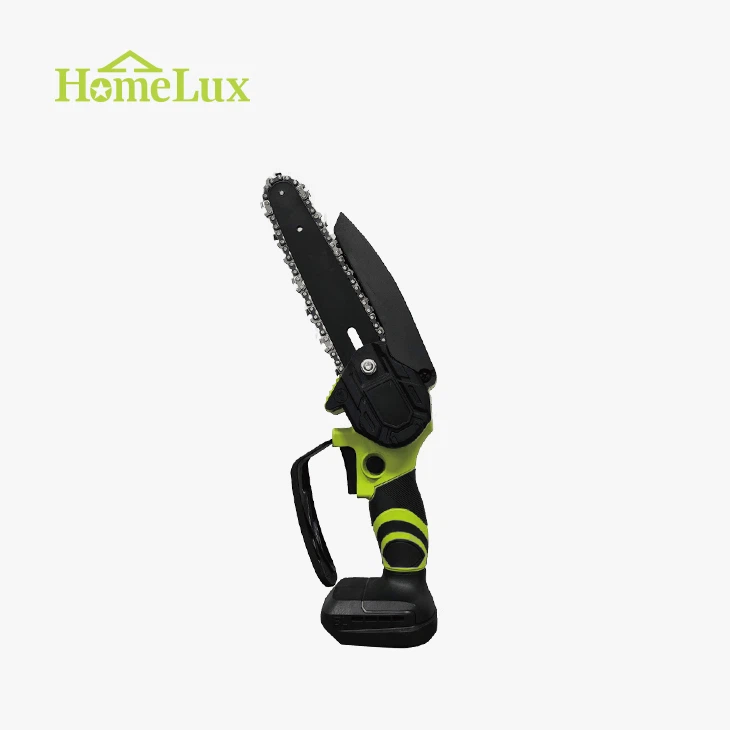
For small, thin roots, such as those of shrubs or young trees, our 6 Inch Cordless Mini Chainsaw is a great choice. Its compact size and lightweight design make it easy to maneuver around these delicate root systems.
When dealing with medium - sized roots, a standard - sized cordless chainsaw with a 12 - 14 - inch chain can handle the job effectively. These chainsaws offer a good balance between power and portability.
For large, thick roots of mature trees, you'll need a heavy - duty cordless chainsaw with a longer chain and more power. Our high - end models are specifically designed to take on these challenging root - cutting tasks.
Maintenance of Cordless Chainsaws for Root Cutting
Proper maintenance is essential to ensure the longevity and performance of your cordless chainsaw when used for root cutting. After each use, clean the chainsaw thoroughly to remove any dirt, sawdust, or sap that may have accumulated. Pay special attention to the chain and the bar, as these parts are in direct contact with the roots.
Check the chain tension regularly. A loose chain can come off during operation, while an overly tight chain can cause excessive wear on the bar and the engine. Adjust the tension according to the manufacturer's instructions.
Store the chainsaw in a dry place. Moisture can cause rusting of the metal parts, especially the chain and the bar. If you're not going to use the chainsaw for an extended period, remove the battery and store it separately in a cool, dry place.
Conclusion
In conclusion, yes, you can use a cordless chainsaw for cutting through roots. With the right choice of chainsaw, proper preparation, and maintenance, it can be a highly effective tool for this task. Our range of cordless chainsaws, including the Lithium Battery Chainsaw, Cordless Brushless Chainsaw, and 6 Inch Cordless Mini Chainsaw, are designed to meet various root - cutting needs.
If you're interested in purchasing a cordless chainsaw for root cutting or have any questions about our products, we invite you to contact us for a detailed discussion. Our team of experts is ready to assist you in finding the perfect chainsaw for your specific requirements.
References
- "Chainsaw Safety and Maintenance Guide" - Forestry Equipment Handbook
- "The Science of Wood Cutting" - Journal of Arboriculture
- Manufacturer's Manuals for Cordless Chainsaws


